
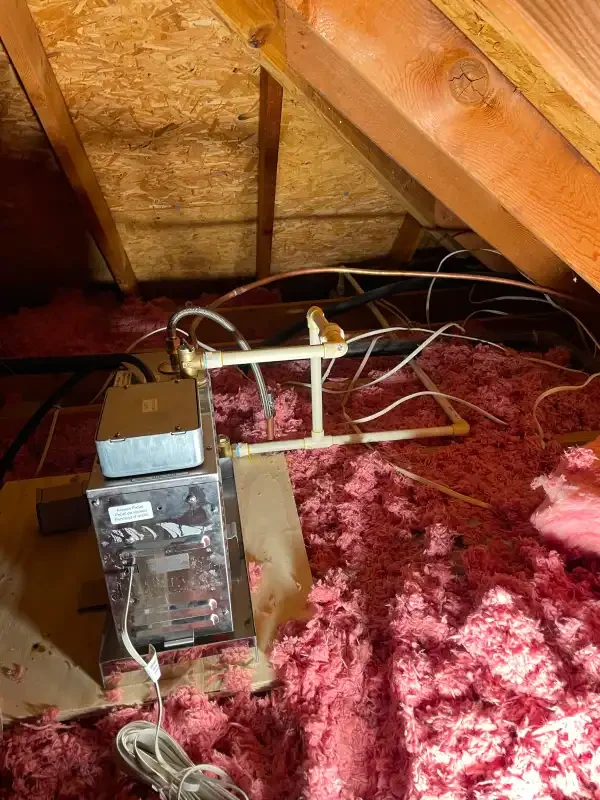
How you know
A warm patch on the floor. The sound of water running with everything shut off. A water bill that stepped up without a change in use. Damp carpet with no visible source. Any of those on a slab-on-grade house in North Texas is worth a phone call, because water under concrete does not get better on its own.
Finding it is the real job
Water travels. The wet spot is rarely above the break. Before anybody cuts anything we locate the leak with meters and acoustic equipment, because cutting holes to go looking is how a contained job becomes an expensive one. That locate is the part that saves you money, and it is the part cheap quotes skip.
Tunnel or open the floor
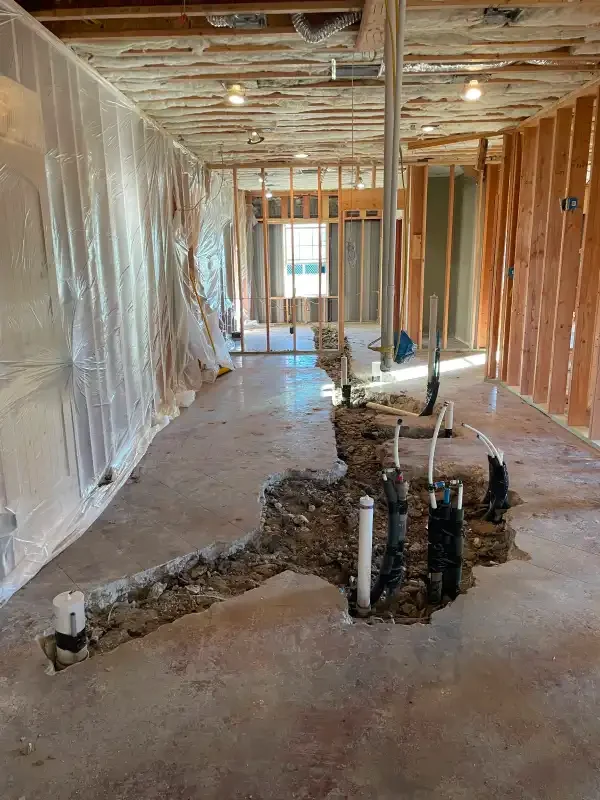
There are two honest routes. Open the floor above the leak, which is faster and cheaper in labor but destroys whatever flooring is there. Or tunnel under the slab from outside and repair the line from below, which costs more in labor and leaves your floors untouched. On a house with tile or hardwood through the affected area, tunneling is usually the cheaper answer once you count the finishes.
What a real one looked like
One job ran an eighteen foot tunnel under the house. After the repair and backfill the customer said you could not tell the yard had been touched. That is what the work should look like when it is done properly, and it is why the restoration is part of the quote rather than a surprise at the end.
The part nobody tells you
A slab leak on an older copper system often means more are coming, because the same water chemistry acts on the whole run. A plumber who repairs the leak and says nothing about that is not doing you a favor.
Questions about any of this on your own property? (940) 231-5706 reaches Norman Alambar directly, Texas Master Plumber M-44741, working Krugerville and seventy-five towns across North Texas.
Speak to the owner
Tell me what it is doing and I will tell you what it takes to fix it.